THE FUTURE OF BUILDING IS HERE
EXPLORE THE WINNERS OF THE 21ST ANNUAL CONSTRUCTION EXCELLENCE AWARDS
PUBLISHED BY THE GENERAL BUILDING CONTRACTORS ASSOCIATION plus Your 2019 Business Checklist Do You Have a Succession Plan Ready?


EXPLORE THE WINNERS OF THE 21ST ANNUAL CONSTRUCTION EXCELLENCE AWARDS
PUBLISHED BY THE GENERAL BUILDING CONTRACTORS ASSOCIATION plus Your 2019 Business Checklist Do You Have a Succession Plan Ready?
World-class projects require world-class people.
LF Driscoll is proud of our people, clients and partners for being recognized with four 2018 GBCA Awards. Congratulations!
BEST CULTURAL INSTITUTION PROJECT
Citizens Bank Park Renovations
Philadelphia Phillies
EXCELLENCE IN SAFETY
Safety 360º
LF Driscoll
BEST HEALTHCARE PROJECT
Asplundh Cancer Pavilion
Abington-Jefferson Health
BEST RESIDENTIAL / MIXED USE OFFICE SPACE
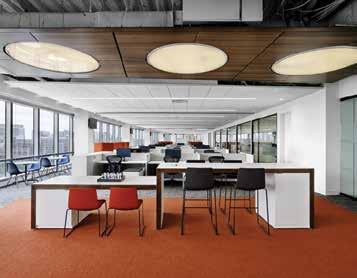
Global Innovation Center
Axalta




As the calendar year comes to an end, it’s hardly winding down at GBCA. From our Construction Excellence Awards ceremony and the Camp Out for Hunger Food Drive, to the inaugural Construction Technology Expo, the association calendar is bustling with exciting events.
They say it’s the “most wonderful time of the year,” and I have to agree. The holiday season at GBCA is a wonderful time for us to come together and raise a glass to our industry’s accomplishments. Just a few weeks ago, we recognized 17 winners at our 21st annual Construction Excellence Awards, honoring the best of the best in commercial and institutional construction in the Greater Philadelphia region. You can take a closer look at the winning projects and companies in this issue of Construction Today
With every project and initiative, you — our members — continue to set the bar higher for excellence in construction. Your innovations and commitment to excellence, and the vibrant association
you have created, are making waves outside of the Philadelphia area. Earlier this fall, GBCA was featured in the special centennial edition of Constructor Magazine from the Associated General Contractors of America (AGC), and our #ExcellenceisBuilding campaign was also featured in the November/December edition of the magazine. We are excited about our continued involvement with AGC and we’re eager to further increase our activity with AGC in 2019.
We can’t wait to see where the new year takes our industry — and our association. We are energized by the quality and strength of our GBCA membership, and looking forward to moving the industry to an even higher standard of excellence — together. From all of us at GBCA, wishing you and yours a wonderful holiday season, and cheers to a successful new year.
Benjamin J. Connors, Esq. President
General Building Contractors Association

Here at GBCA, we believe #GivingTuesday shouldn’t be limited to just one day. We understand the important responsibility of serving our community to make a positive impact every day.
During this season of giving, our up-andcoming association leaders, the Construction Leadership Council (CLC), have been busy orchestrating community service initiatives and volunteering their time and talents to make a difference. Several volunteers participated in a day of service at Northern Children’s Services earlier
this year, helping with gardening and landscaping projects. We also donated 42 tons — that’s 84,000 pounds! — to 93.3 WMMR’s Preston and Steve Camp Out for Hunger for Philabundance. We are proud to be involved in one of the largest food bank donation events in our region. Once again, this year we doubled our donation to this very important cause.
We are committed to inspiring action among our members, our community, AND the next generation of construction leaders across the nation. As part of this commitment, GBCA is excited to share that we will be hosting the national CLC conference right here in Philadelphia in 2019! This event is just one way we continue to ramp up our involvement with the Associated General Contractors of America (AGC).
In this season of thanks and giving, we are so thankful for you, our members, and excited for all the good things to come in the new year!
Lauren Tosti Director, Marketing & Communications General Building Contractors Association
PUBLISHER/EDITOR Lauren Tosti
ADVERTISING/SALES Lauren Tosti
CONTRIBUTING WRITERS
Joshua H. Anderson, AIF® / Bruce J. Cumby, CLU®, ChFC®, MSFS, RICP® / Philip K. Glick, CPCU, RPLU / Bruce Henderson / David Maser / Amy Novak / Lauren Tosti
DESIGN Vault Communications
ACCOUNTING Kristin DeFrancisco
EDITORIAL OFFICE
General Building Contractors Assn., Inc.
36 South 18th Street Philadelphia, PA 19103 P: 215-568-7015 F: 215-568-3115
PRINTING
A-Lex Print & Promotion 1670 South Hanover Street Pottstown, PA 19465 484-988-1156
Copyright: CONSTRUCTION TODAY® registered in U.S. Patent and Trademark Office Copyright ©2004 by the General Building Contractors Association. All rights reserved. Submissions for editorial review should be sent to the editorial office address. Neither the publisher nor any individual associated with any branch of production, nor the advertisers will be liable for misprints or misinformation contained herein.
PRINTED U.S.A.


What the industry can do to encourage more women to pursue careers in construction




JOSHUA H. ANDERSON, AIF®
Financial Advisor, Workplace Retirement Group of Raymond James & Associates, Inc.

BRUCE HENDERSON
Principal and Co-Founder, HazTek Inc.

BRUCE J. CUMBY, CLU®, CHFC®, MSFS, RICP®
President, Cumby, Spencer & Associates Financial Group
Senior VDC Manager, Gilbane Building Company

Director, Marketing & Communications, GBCA

PHILIP K. GLICK, CPCU, RPLU
Senior Vice President, Conner Strong & Buckelew

Project Executive, Torcon

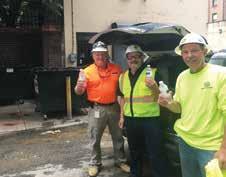
On July 26, GBCA's Director of Safety Services Frank Durso visited several member jobsites to hand out water and other supplies to help reduce the risk of heat- and sun-related injuries. The clouds did roll in, but it was still humid! Thanks to the safety leadership and jobsite crews of Intech Construction (Pod Philly Hotel, View II), Clemens Construction Company (Hyatt Centric), and P. Agnes, Inc. (Jefferson University Alumni Hall) for participating in the Water. Rest. Shade. campaign!

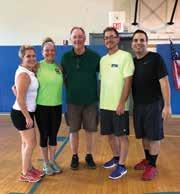
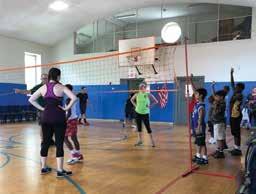
On August 9, members of GBCA’s Construction Leadership Council Steering Committee gave back to the community by volunteering at Northern Children’s Services. CLC members spent the morning helping with landscaping and gardening work around the property, including weeding, mowing, and clean-up. The CLC then provided a pizza lunch for the children and closed out the day by joining in spirited games of volleyball and basketball. If you would like to get involved in the CLC, please contact Lauren Tosti at ltosti@gbca.com.




On September 3, Benjamin Evans and Richard Ryan of the University of Pennsylvania and Jim Harrity of OSHA spoke at Eggs with OSHA. This was the final installment of 2018’s three-part series: Culture of Safety, and this session focused on Leadership and Effective Team Building. Presentations are available for download at GBCA.com.
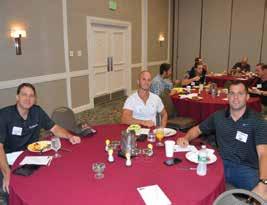
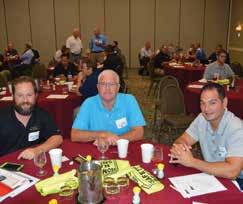
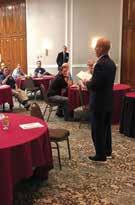
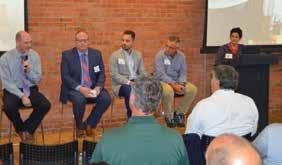
On September 18, GBCA hosted a Technology Lunch & Learn: Leveraging Applications and Solutions. Held at the Center for Architecture + Design, this event featured a panel discussing new technologies, particularly mobile apps, being used in Philadelphia’s construction industry. The panel featured four Philadelphia-based construction experts: Matt DeBasio, CM-BIM, Project Estimator, P. Agnes, Inc., Ryan Hanf, Assistant Project Manager, EDA Contractors, Inc., David Maser, CM-BIM, Senior VDC Manager, Gilbane Building Company, Bill Reis, CHST/STSC, Safety Professional, Belcher Roofing. Thanks to everyone who came out and to our four panelists!
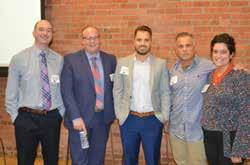
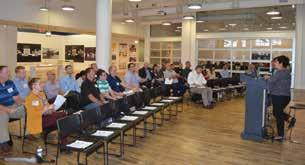
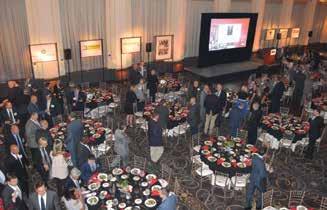
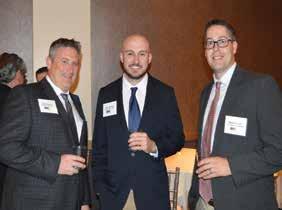
On September 27, GBCA held its annual Fall Membership Dinner at Ballroom at the Ben. This was GBCA’s largest Membership Dinner to date, with over 280 people in attendance! Joseph Coradino, CEO of PREIT, was the featured speaker, and he spoke about new opportunities for retail commercial real estate. Thanks to all of our members and invited guests who attended; it was a great evening of networking and catching up with industry friends.
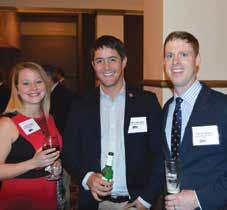
In October 2018, GBCA hosted an Associated General Contractors of America’s Certificate of Management — Building Information Modeling (CM-BIM) Education Program Series. This is the first and only certificate program teaching the practical application of the BIM process for commercial construction firms. GBCA also offered the CM-BIM exam after the course. Thanks to all of our instructors!
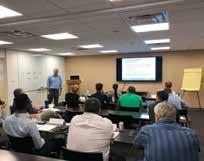


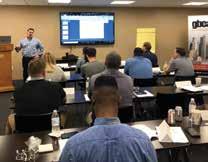
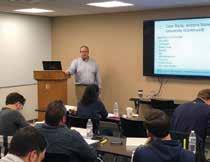
On October 4 and 5, GBCA’s Director of Safety Services Frank Durso taught the OSHA 10 training course to participants of the PennAssist Program. The goal of the PennAssist Program is to bridge the gap for Philadelphia residents who want to enter into a skilled trade apprenticeship. During the 12-month program, PennAssist Program participants will complete Program Orientation, get assigned worksite placements in their respective trade with a union subcontractor, and attend exam prep classes in preparation to take their respective apprentice exams.
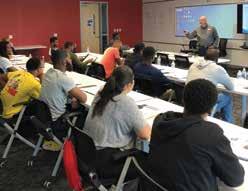



GBCA Active Members and invited guests joined in a dinner on October 9 with John J. Dougherty, Philadelphia Building and Construction Trades Council AFL-CIO and Business Manager of IBEW Local 98, and Ryan Boyer, President of the Philadelphia Building and Construction Trades Council AFL-CIO and Business Manager for the Laborers’ District Council of Metropolitan Philadelphia & Vicinity. The dinner was held at Water Works by the Philadelphia Museum of Art.

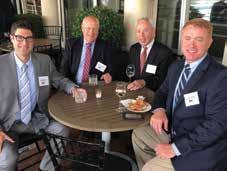
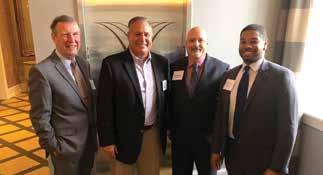

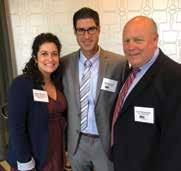
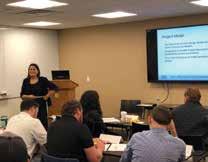
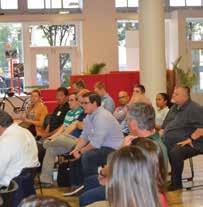
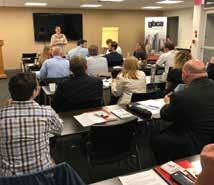
On October 11, GBCA's Construction Leadership Council hosted a workshop, "Go Beyond Networking." Attendees learned how to stop the cycle of merely collecting business cards by learning how to connect with people to change our world. Thanks to Nancy Dunleavy of Dunleavy & Associates for facilitating this engaging workshop!





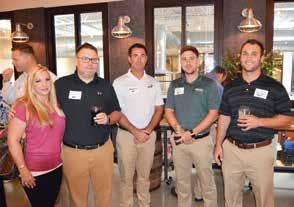
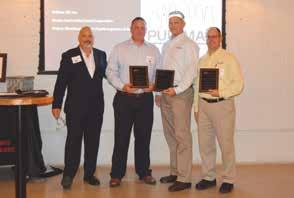
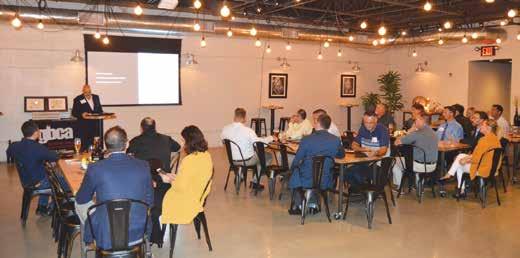
by Lauren Tosti, Director, Marketing & Communications , GBCA
The Project Safety Award program was developed to acknowledge injury-free projects and safe worksites of member companies. This achievement is no small task and requires a dedication that comes from top management down. 2018 proved to be a pivotal point in this program with 13 members receiving awards from GBCA.
Additionally, there were two members who received national recognition from the Associated General Contractors of America (AGC). Recognizing AGC contractor members for safety excellence since 1926, the National AGC Safety Awards (NASA) program has been an ongoing effort to offer AGC members an opportunity to evaluate their safety record. Additionally, NASA provides a great opportunity for contractor members to compete for nationally recognized awards that have excellent safety records.
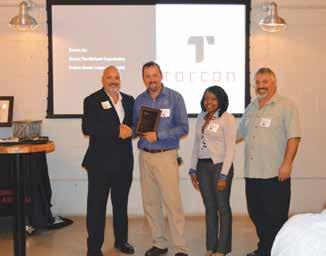
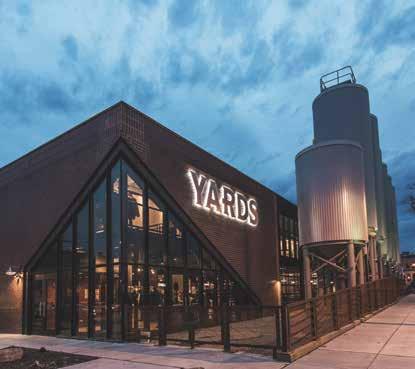
To mark this monumental achievement, GBCA hosted the first-ever Project Safety Awards Reception which was held at the new Yards Brewing Company — General Contractor, TN Ward.
Owners, members and safety professionals celebrated with pride as their award-worthy safe practices and commitment were recognized and applauded by their peers.
The GBCA Safety Committee strives to be sure every person on every job is committed to safety. From Tool Box Talks to safety meetings and suggestion boxes; no issue is too small or too great and is addressed
with equal enthusiasm. With this drive and commitment, GBCA members achieved a new standard in safety.
Clemens Construction Company, Inc.
Owner: Boyds Realty Partnership, LP Project: Boyds Philadelphia
INTECH Construction, LLC
Owner: Dranoff Properties Project: One Riverside
INTECH Construction, LLC
Owner: University of Pennsylvania Project: University of Pennsylvania Hill College House
P. Agnes, Inc.
Owner: Drexel University Project: Drexel-Korman Building
P. Agnes, Inc.
Owner: Mastery Charter Schools Project: 5700 Wayne Avenue
P. Agnes, Inc.
Owner: Drexel University Project: U.S. Cold Storage
Pullman SST, Inc.
Owner: Keystone Property Group Project: One Washington



Pullman SST, Inc.
Owner: Monroe Energy, LLC Project: FCCU Maintenance Fireproofing
Pullman SST, Inc.
Owner: Sentinel Real Estate Corporation Project: Rittenhouse Towers Façade Inspection & Repairs
Roman Mosaic & Tile Company
Owner: E. R. Stuebner Construction Inc. Project: Bensalem High School
TN Ward Company
Owner: New Courtland Elder Services Project: Apartments at St. Barts
TN Ward Company
Owner: Yards Brewing Company Project: Yards Brewing Company
Torcon
Owner: The Michaels Organization Project: Eleven Cooper Residential
RECIPIENTS OF THE AGC NASA AWARDS
Clemens Construction Company, Inc.
Certificate of Commendation for holding a zero incidence rate with 50,000 work hours and over in the Building category.
Joseph Dugan Inc.
Certificate of Commendation for zero incidence rate with 50,000 work hours and over in the Associate specialty work category. n

Professional Contractors, Resources, and Education for All Interior & Exterior Glass Applications
AGI Glass Resources: Interior Glass Guide Specification



Demountable Interior Glass Partition Guide One-Page Fact Sheet | Project Case Studies Lunch-and-Learn Programs www.theagi.org info@theagi.org | 215.825.1422 |
The winners of the 21st annual Construction Excellence Awards were determined by a panel of esteemed judges, who reviewed each nomination for workmanship and project management details, originality and innovative elements, and special techniques or materials.
Karen Blanchard, AIA, LEED AP BD+C Principal, SITIO architecture + urbanism
Catherine Califano
Deputy Director, Department of Planning and Development, City of Philadelphia
Martha Cross, AICP, PP, LEED® AP Deputy Director, Division of Planning & Zoning, Department of Planning and Development, City of Philadelphia
Christine Fiori, PhD, PE Program Director, Construction Management Program, Drexel University
Deborah L. Grubbe, PE, CEng
Owner and President, Operations and Safety Solutions, LLC
Michael Sheward
Owner and Principal, The Sheward Partnership
SAFETY AWARD JUDGES
Anthony Bell
Safety Director, Daniel J. Keating Company
Richard E. Smith
Quality, Environmental, Health, and Safety Manager, CST Pavers, A Quickrete Company.
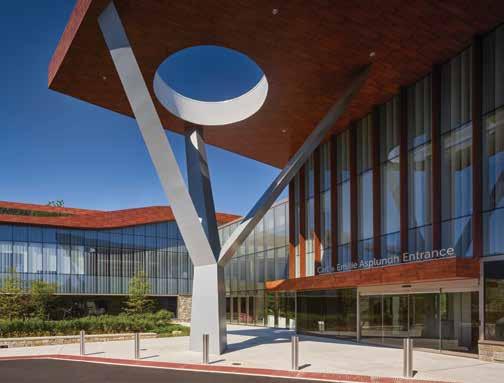
by Lauren Tosti, Director, Marketing & Communications ,
GBCA
The General Building Contractors Association is pleased to announce the winners of our 21st annual Construction Excellence Awards. For more than two decades, the Construction Excellence Awards has been the Philadelphia region’s premier and most sought-after construction awards program, dedicated to acknowledging the highest quality of workmanship and building innovation by Philadelphia area commercial contractors, and companies who have an established commitment to safety and diversity and inclusion in the industry.
This year, GBCA received more than 35 entries from 20 member companies and recognized 17 winners at an awards reception on November 8. Continue reading for a detailed look at the projects driving the new standard of building excellence in the Greater Philadelphia region.
Boeing Integrated Defense Manufacturing Plant
Contractor: Healy Long & Jevin
General Contractor: Skanska USA Building Inc.
Owner: The Boeing Company
Owner’s Representative: STV Construction
Architect: Gannett Fleming
Engineer: Gannett Fleming
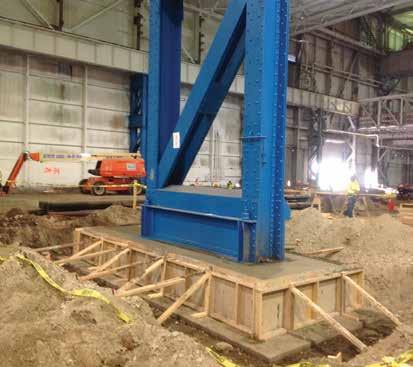
Healy Long & Jevin installed in-place concrete mechanical trenches, new 240,000-square-foot super flat concrete slabs, and new heavy foundations for Boeing’s Integrated Defense Manufacturing Plant in Ridley Park, Pennsylvania. HLJ formed and poured close to 700 LF of mechanical trenches and 12,500 SF of concrete floor as a typical cycle. The excavation and slab prep had to be well ahead of the concrete operation in order to keep on schedule. Because of tight spacing, the concrete floor slabs had to be placed by hand. Finishing methods were also tweaked by breaking some common or traditional practices to put the floors dead level.
Yards Brewing Company Renovation & Relocation
Contractor: TN Ward
Owner: Becker & Frondorf, Yards Brewing Company
Architect: DIGSAU
Engineers: Chestnut Engineering, MEP Engineers, Conn Schaffer Structural Engineers
TN Ward transformed a bland 1970s brick-faced building into a sleek and modern brewery and pub. The 80,000-square-foot facility was previously the distribution center for Destination Maternity. After modifying the building’s structure, it now consists of a 225-person capacity taproom, meznine banquet room, full service kitchen, fully integrated brewery, packaging lines for kegs, bottles and cans, raw material storage, product cold storage, and packaging material warehouse. The project also involved dismantling Yards’ existing operation, transporting equipment through narrow streets, unloading and rigging equipment through a new roof hatch, and maneuvering equipment into place with minimal clearance at the new facility.
Citizens Bank Park Renovations
Contractor: LF Driscoll
Owner: The Philadelphia Phillies
Architect: EwingCole, DAIQ Architects, Metcalfe
Architecture Design
Engineer: EwingCole
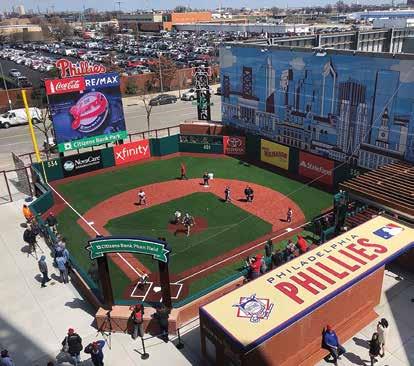
LF Driscoll embarked on renovations at Citizens Bank Field to enhance the Phillies fan experience, such as “The Yard,” a 13,000-square-foot “major league” park that delivers an interactive experience to young Philly Phanatics. With the Phillies’ game schedule, LF Driscoll had just over four months to complete $20M worth of large-scale renovations. LFD arranged for an architect, engineer, and ownership project manager to be present onsite at all times to inspect, make changes, and answer questions in real time. Weekly pull-planning schedule sessions that zoomed-in on intermediate milestones, and using project management mobile technologies such as PlanGrid, helped keep the entire project team up to date.
Lighting Replacement
Contractor: Carr & Duff
Owner: Delaware River Joint Toll Bridge Commission
Architect: Dewberry, The Lighting Practice
Engineer: Urban Engineers
The ‘TRENTON MAKES THE WORLD TAKES’ sign, installed in 1917, is a memorable point of interest for travelers. One hundred years later, Carr & Duff was awarded the contract to renovate the sign, bringing it up to 21st century standards. The antiquated and environmentally sensitive neon tubing was deconstructed by C&D crews and carefully recycled. C&D repaired and restored the sheet metal sign. C&D crews also removed the existing wiring and conduits and replaced them with new rigid conduit and stainless-steel junction boxes. New LED lights were installed in the 25 sign letters; the flexibility of endless light coloring, patterns, and displays enhances the connection to the local communities and visitors.
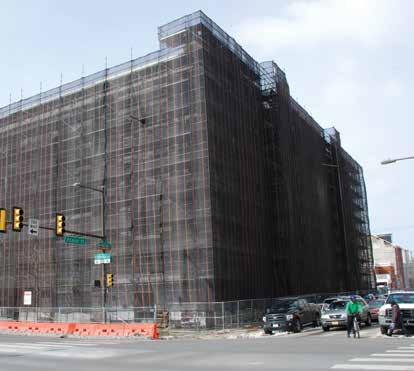
Expansion & Renovation of Abbott Dining Hall
at The Lawrenceville School
Contractor: Clemens Construction Company
Owner: The Lawrenceville School
Architect: Voith & Mactavish
Engineer: Loring
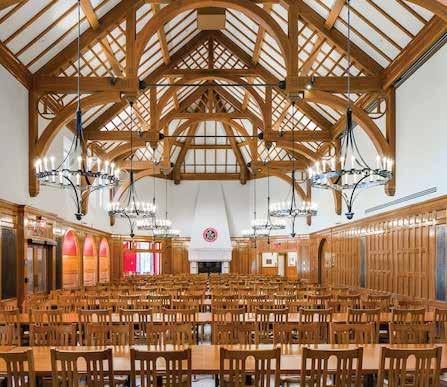
This 15,000-square-foot project dramatically transformed a typical dining facility inside and out. Critical elements included renovations to the façade, roof, entrance, and the reconfiguration of the building’s floor plan to allow for a new conference room, an archives display to showcase the school’s history, a modernized kitchen & servery, and an expanded dining room. The project had unique challenges because it was a recovery project. Clemens was hired four months after the original general contractor ceased all work. Clemens searched for ways to stay on schedule while simultaneously addressing areas that needed to be completed as well as areas that needed to be demolished and rebuilt.

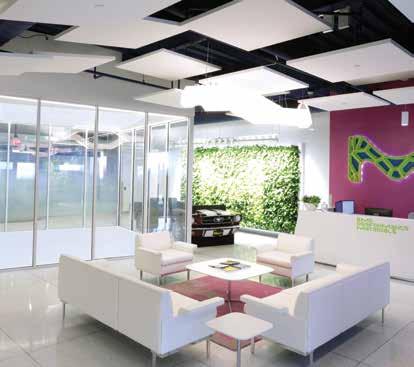
Contractor: HSC Builders & Construction Managers
Owner: EMD Performance Materials
Architect: Herbst-Musciano, LLC
Facility Planner: HF Planners, LLC
The EMD Performance Materials Navy Yard project is a relocation project of a mixed-use lab and office space in Philadelphia. Operations moved from One International Plaza to a shell space on the first and third floors of the unique LEED Gold building at 1200 Intrepid Avenue. The building’s striking Bjarke Ingel design includes a curved/leaning exterior wall that is intended to continue the curve of the adjacent Central Green area to the facility. The vision for the project creates a modern, inviting space that reflects EMD’s innovative products while creating a comfortable environment for their employees and clients.

Contractor: Clemens Construction Company
Owner: Brickstone Realty
Architect: JKRP Architects
Engineer: Alderson
Structural Engineer: O’Donnell & Naccarato
Brickstone Realty tasked Clemens Construction Company with transforming The Hale Building into a modern, safe, and welcoming commercial center that showcases its unique character once again. The new design called for the construction of a new, modern limestone & glass entry on the Chestnut Street side of the building, as well as a new roof deck. The renovations also included the complete infrastructure replacement of HVAC, electrical, and plumbing systems. The facade restoration required the replacement of deteriorated brick, 100% brick repoint, removal and sealing of old paint coverings, and replacement or restoration of every window.
Asplundh Cancer Pavilion at Abington-Jefferson Health
Contractor: LF Driscoll
Owner: Abington-Jefferson Health
Architect: EwingCole
Engineer: EwingCole
Abington-Jefferson Health’s LEED-certified Asplundh Cancer Pavilion offers everything patients need to fight cancer in one convenient, 86,000-square-foot location. The building features a Varian Edge radiosurgery suite, a high dose-rate brachytherapy treatment room, a CT simulation room, a chemotherapy/


Philadelphia
Contractor: E.P. Guidi, Inc.
Owner: OTG Management
Architect: Daroff Design
Engineer: Rosini Engineering
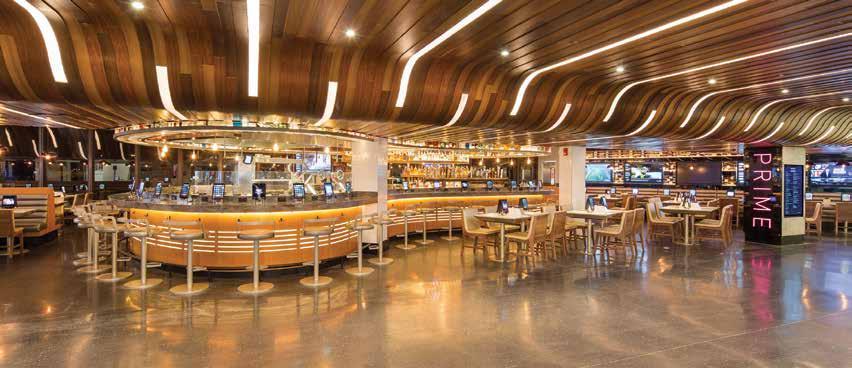
E.P. Guidi was proud to provide travelers coming through Philadelphia with a reimagined airport hospitality experience which is vibrant, healthy, and convenient. The Terminal B Restaurant and Retail project at the Philadelphia International Airport (PHL) is a major overhaul of hospitality venues offered for travelers. The project saw the construction of several signature, internationally-themed food venues helmed by local area chefs, as well as some smaller venues and accompanying retail. Additionally, the gate “hold areas” were updated and now feature signature lighting, along with iPads for checking on flight status, ordering food or just passing time while waiting.
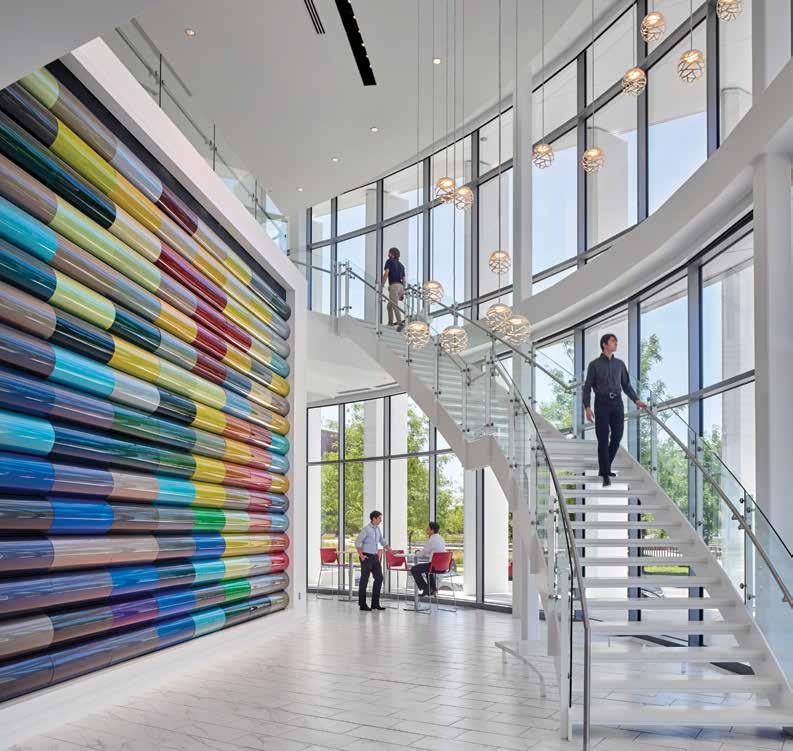
Axalta Global Innovation Center
Contractor: LF Driscoll
Owner: Axalta Coating Systems
Architect: Erdy McHenry, L2Partridge
Engineer: Vanderweil Engineers
Developer: Liberty Property Trust
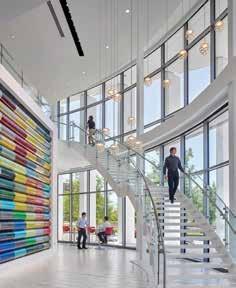
To “ensure Axalta sets the pace for coatings technology around the world,” LF Driscoll demolished seven buildings and built over 175,000 square feet of new build for Axalta’s new Global Innovation Center in Philadelphia’s Navy Yard. The new center is home to the paint and coatings firm’s global research, product development, and technology initiatives, and features nine different types of laboratories, a patented “regenerative thermal oxidizer” unit, and offices. The building is set to meet LEED Platinum certification.
Two Liberty Place: Energy Improvements Phase 1
Contractor: Falasca Mechanical, Inc.
Owner: Coretrust Capital Partners, LLC
Construction Manager: Concord Management Services, LLC
Engineer: Concord Engineering Group, Inc.
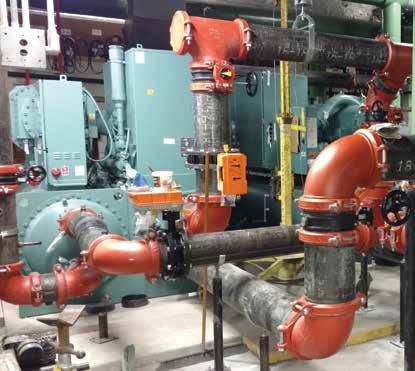
Falasca Mechanical was hired to replace existing chillers, cooling towers, heat exchangers, and hydronic equipment to help improve energy efficiency of Two Liberty Place, a 58-story, 848-foot skyscraper in Center City, Philadelphia. Due to size constraints of the freight elevator, the existing cooling towers were replaced by twelve 250-ton, custom made, fiberglass Reymsa segmented cooling towers, each consisting of six segments, and built in-place and piped on the 36th floor. Safety was of key importance. The project involved extreme work conditions when rigging the cooling towers. Workers were often in cold, windy environments at 400 feet in the air. The project required critical thinking, smart design, and careful planning and execution, to ensure success and everyone's safety and welfare.
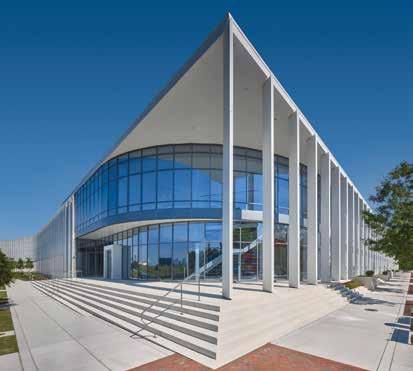
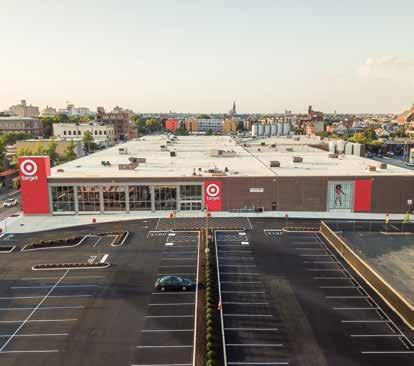
Contractor: C.H. Schwertner & Son, Inc.
Owner: Target
Architect: Bignell Watkins Hasser Architects PC
Engineer: Energy Squared LLC
C.H. Schwertner & Son renovated part of a warehouse building on 5th and Spring Garden to become one of Target’s new Flex Format Stores. Schwertner reworked the building’s existing foundation to support Target’s new tower and storefront. Inside, the exposed structural steel was repaired. New drainage systems were put in place. Underground sanitation plumbing was installed for the new market area and in-store Starbucks. A large underground detention basin was also installed. For the building’s exterior, Schwertner matched and restored the building’s existing masonry. Despite tight deadlines and in-project design changes, Schwertner provided a finished product that exceeded Target’s and its own standards.
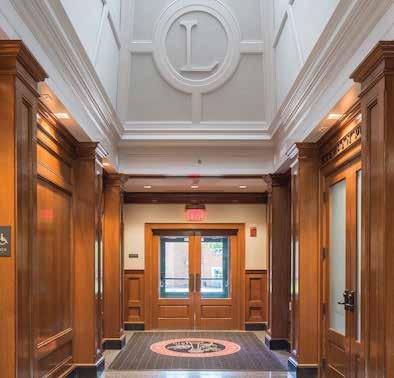
Expansion & Renovation of Abbott Dining Hall
at The Lawrenceville School
Contractor: Clemens Construction Company
Owner: The Lawrenceville School
Architect: Voith & Mactavish
Engineer: Loring
The end result of this dining facility renovation project was a modern, highly functional, and welcoming student center packaged in a regal exterior worthy of this boarding school’s prestigious reputation. While the project utilized Grade A quality materials, such as handmade Persian rugs, hardwood and terrazzo flooring, gold leaf tile inlays and stained glass, the workmanship also had to be of the highest caliber in order to achieve the rich, solid aesthetic specified by the design. To achieve this seamless appearance, seven expert finish carpenters from Clemens’ In-house Carpentry Division hand-scribed each piece of millwork to fit precisely into the existing structure.
The Metropolitan Opera House (The Met) Renovation
Contractor: Superior Scaffold
General Contractor: Domus, Inc.
Owner: Holy Ghost Headquarters Church, Eric Blumenfeld
Architect: Atkin Olshin Schade Architects
Engineer: Alternate Design Solutions
Philadelphia’s 39,200-square-foot Metropolitan Opera House is undergoing a $56 million restoration as a new Live Nation concert venue. Superior Scaffold Services gave multiple restoration crews access to 100% of the theater’s interior. The system scaffold used was 120 feet wide by 162 feet long with a deck that sat just below the ceiling at approximately 75 feet high. Two stair towers gave everyone access to their working position. To address the sloped and oddly shaped main room, Superior Scaffold used a specialized system scaffold that accounted for the slope of the floor, and adjusted to the contour of the building and arena.
Contractor: LF Driscoll

LF Driscoll has built its reputation on safety. Its recently implemented Safety 360° Program has engrained safety into the company’s culture. The Safety 360° Program creates a positively-reinforced safety culture rather than one based on fear or punishment. This approach focuses on high-risk situations and identifies proper safe behaviors while empowering people to reward those behaviors. In this way, all employees become safety leaders as contributing members of the team. This increased employee engagement has dramatically reduced accidents, near misses, and unsafe acts. Through this Safety 360° Program, LF Driscoll is creating a durable, positive safety culture throughout the company.
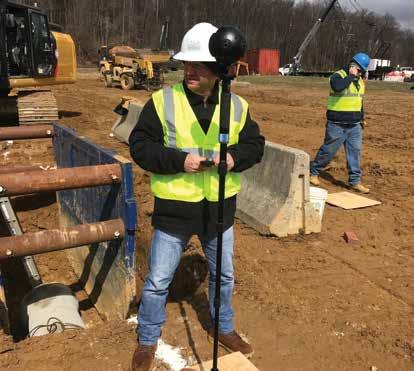
The Safety Group promotes comprehensive safety culture inclusive of every person on a project. The Safety Group presents safety training courses at their South Philadelphia instructional space as well as at area technical schools and even high schools. Making sure there are enough skilled and credentialed workers is a major problem facing the building industry of today, meaning that we must convince our up-and-coming job seekers that construction and building represent viable, secure, and safe work. They also provide training in coordination with STRIVE Philadelphia, a capstone program of The Work Force Institute. Part of its mission is to help raise up Philadelphia’s communities and construction industry by promoting high quality training and job readiness to disadvantaged and dislocated populations.
Virtual Design and Construction Program
Contractor: Gilbane Building Company
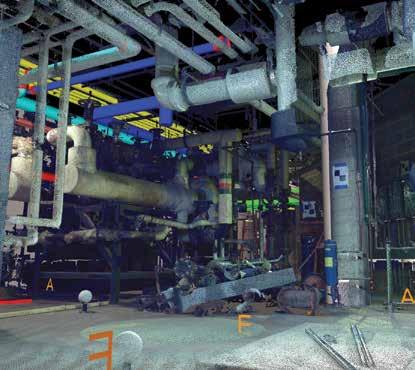
Gilbane’s Mid-Atlantic division uses best-in-class technology to collaborate and coordinate complex projects in record times, with budget and schedule savings for our clients. Virtual Design and Construction (VDC) is part of its building process. Using models in the design phase helps tailor designs to an owner’s budget and create more accurate estimates. Something that would have taken days with 2D drawings is completed in less than 4 hours. All operations staff learn about the technology they can bring to their jobsites. They learn skills like how to use models to perform constructability and coordination reviews in both 2D and 3D, as well as how to track and quantify design changes through the use of the model.
On November 8, Construction Excellence Awards recipients and other GBCA partners and friends convened at Vie Ballroom for the awards reception, enjoying a cocktail reception, dinner, and networking. Congratulations to all!

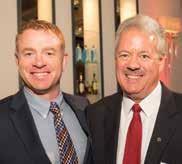



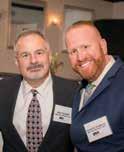

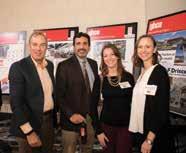
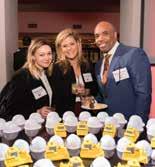
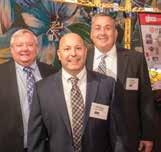
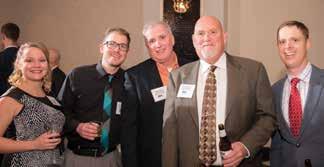
A special thanks to our sponsors of the 21st Annual Construction Excellence Awards:
PRESENTING SPONSOR
LF Driscoll
PLATINUM SPONSORS
Concrete Contractors Association CCA
James J. Clearkin, Inc.
Turner Construction Company
GOLD SPONSORS
C.H. Schwertner & Son, Inc.
Chesco Coring & Cutting, Inc.
Clemens Construction Company, Inc.
Keystone+Mountain+Lakes Regional Council of Carpenters
T.N. Ward Company
Window Repairs & Restoration, Inc.
WIPFLi CPAs and Consultants
SILVER SPONSORS
Cumby, Spencer & Associates Financial Group
Diversified Lighting Associates, Inc.
Employing Bricklayers Assoc. EBA
E.P. Guidi, Inc.
Graboyes Commercial Window Company
Herman Goldner Co., Inc.
HSC Builders & Construction Managers
MacIntosh Engineering
O’Donnell & Naccarato, Inc.
Oliver Fire Protection & Security
Rosenberg & Parker
Steven Kempf Building Materials
Super Enterprises
Superior Scaffold Services, Inc.
Susanin Widman & Brennan, P.C.
BRONZE SPONSOR
P.J. Dick, Inc.
CENTERPIECE SPONSOR
AmQuip Crane Rental
MEDIA SPONSOR
Philadelphia Business Journal


by Bruce Henderson, Principal and Co-Founder, HazTek Inc.
The ultimate goal of any construction site is to have a culture where every person follows and promotes safe work practices and behaviors at all times. Supervisors play an integral role as companies work to develop and consistently maintain this level of safety culture.
Members at all levels of an organization must see safety as a company value. Although top management establishes a company’s safety vision and culture, organizations must recognize the importance that their supervisors play in ensuring a safe and healthy workplace. Both the method and timing that supervisors use to communicate safety-related matters to the workers are critical in establishing and maintaining a positive safety culture.
Project objectives and goals should include a focus on the minimization of risk to eliminate incidents. This can be shown by:
n Establishing, communicating, and reinforcing formally documented safety policies and procedures
n Consistent reinforcement and support by top management through the message that frontline supervision has accountability for safety
n Establishing a formal procedure and criteria to evaluate and designate supervisors as competent and qualified
n Ensuring ongoing training for all supervisors in interpersonal (leadership) skills
n Ensuring safety is included in the project scope along with quality and productivity (evaluating leading and lagging indicators)
n Including safety performance as part of the performance review of supervision (reinforcing leading and lagging indicators)
n Providing supervisors with an impartial resource for safety support within the organization
n Ensuring there are no negative repercussions if the supervisor partners with the safety resource to address a safety issue in good faith
Organizations should develop a multifaceted approach to supervisor leadership development for safety. This approach should incorporate focused, formal development initiatives in three key areas:
n Interpersonal (Leadership) Skills
n Management Skills
n Technical Skills
Supervisors must demonstrate their commitment to safety through more than just compliance with OSHA regulations and company policies — interpersonal/leadership skills can help supervisors to exhibit a personal commitment to safety that their teams can adopt.
Communicate Effectively – Hold effective conversations with workers and influence the team to work safely. Establish relationships where mutual respect is maintained at all times.
Develop a Positive Culture of Safety – Develop a safety culture with your team through coaching, teaching, relationship building, and facilitating peer-to-peer mentoring.
Intervene Appropriately – Use positive techniques, such as conducting objective safety observations, counseling, and advising, when improvement is needed (and using positive reinforcement where appropriate).
Establish Credibility & Trustworthiness – Always keep safety in the forefront, even during times when decision making is difficult. Share skills and knowledge with the team and provide fair/impartial evaluations on safety performance.
Recognize Safe Behaviors – Make public recognition of “good catches,” interventions, and other proactive safe behaviors. Face-toface interaction and “role-play” scenarios build skills and confidence.
Management skills include planning, organizing, coordinating, directing, and providing oversight on a task or project. The following formal leadership training is essential for supervisors:
Process – Internal training (led by top management) and external training
Content – Must be engaging and pertinent to the frontline supervisor’s roles and responsibilities while focusing on helping the supervisor do his/her job
Topics Include:
n Company safety policies and procedures
n Job Safety Analysis (JSA) process
n Periodic workplace inspection
n Leading daily project coordination meetings
n Safety culture and the role of management, safety staff, peers, etc.
n Work safety as an organizational value (include in project planning)
n Reporting near misses/near hits and good catches
n Formal follow-up with workers after orientation to confirm safety of worksite
n Recognizing/taking corrective action for unqualified workers
n Recognizing when an employee is not fit for duty (drug/alcohol impairment, sleep deprivation, fatigue, etc.)
Technical skills reflect practical knowledge and experience to be proficient in a specific task or area of expertise. The following are examples of core training that allow supervisors to strengthen their leadership-level safety skills:

Safety is not a priority – because priorities change. Safety is a core value. Every construction site has its own unique safety and health hazards related to location, environment, and the type of work being performed. HazTek has managed worksite safety and health for many of the nation’s largest and most respected construction management firms and general contractors. Our experts are skilled in recognizing potential worksite hazards and highly effective in planning and implementing proactive measures. Since every project is different in complexity, HazTek will match the right experience to your job, enabling you to manage costs while we manage health and safety. Selecting HazTek is the safest decision that you can make.
OSHA 510 – Occupational Safety and Health Standards for the U.S. Construction Industry
Safety Trained Supervisor Construction (STSC®) Certification
JSA/JHA Creation Process
Incident Investigation Process
n Open, two-way conversations
n Do not put workers on defensive or place blame
n Maintain integrity of the incident scene
n Encourage people to write in their preferred language
Root Cause Analysis (Formal)
n Not “root blame” analysis
n Use examples of incidents that have occurred at your company
n Supervisors must be competent and qualified in their respective area(s) (e.g., welding safety, electrical safety, etc.)
Organizations should evaluate the most effective delivery of skill development through options such as instructor-led courses, internal management, peer management, qualified consultants, computer- or web-based training, and formal mentoring programs.
TIMING AND DOCUMENTATION
Ideally, core training should be provided prior to the initial supervisor assignment but it can also be taken during the supervisory role — if this type of training has not been completed within the past several years. After training, certificates of completion should be provided and documented in the company and project training record(s).
Evaluations should be performed within six months of the training to assess understanding. Retraining should occur every 3 to 5 years (or sooner).
Supervisor safety training is critical to ensure effective implementation of any safety program. Even the very best safety policies and procedures will only deliver modest results if they are not executed by supervisors who have been trained in leadership and management skills. Zero-incident results come through effective delivery of appropriate safety program elements by supervisors who have the leadership skills to plan, organize, monitor, and guide their workers.
Bruce Henderson is Principal and Co-Founder of HazTek Inc. where he manages and acts as a technical advisor for HazTek’s team of safety consultants.
A white paper version of this article was originally created for CURT (the Construction Users Roundtable) as a reference for its members and the construction industry.
HazTek Inc. is a leading provider of comprehensive safety management services — with a mission to enrich the health, safety, and well-being of their employees, their customers, and their communities. To learn more about Leadership Development for Supervisors, or any of their other safety services, contact HazTek Safety Management at 888-842-9835 or go to www.haztekinc.com. n



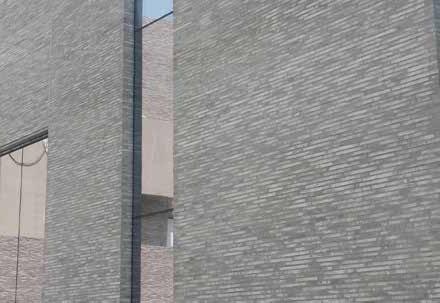
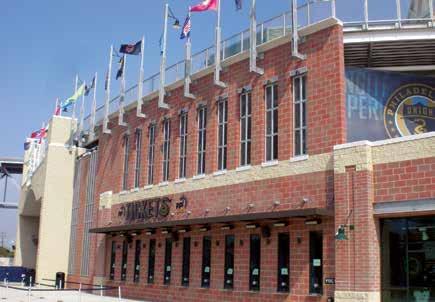
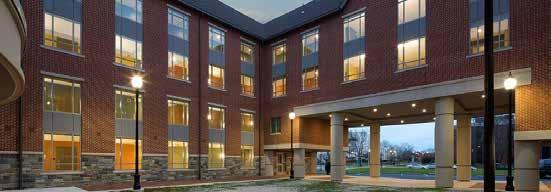
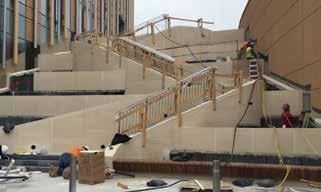


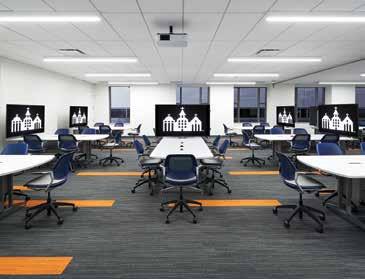
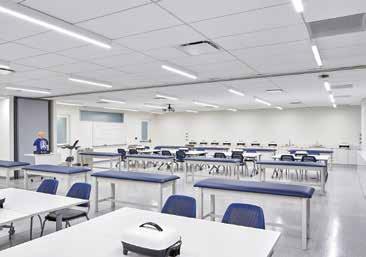
Hackensack Meridian Health/Seton Hall University’s new Interprofessional Health Sciences campus is an excellent example of an adaptive reuse of a former research center to a new medical school with associated nursing and applied sciences programs.
At the time, the site represented the largest undeveloped commercial property in northern New Jersey. Torcon led the renovation of 250,000 square feet of the 500,000 square foot existing building into the new Hackensack Meridian School of Medicine at Seton Hall University, representing New Jersey’s first private medical school in more than 50 years. The facility also houses Seton Hall’s College of Nursing and School of Health and Medical Sciences.
The new campus environment was developed to encourage an advanced approach to healthcare — uniting and integrating future doctors, nurses, and other healthcare professionals during their studies. The School of Nursing and Health Sciences opened on July 5, 2018, with the inaugural class of the School of Medicine reporting for class on September 4, 2018, just in time for the new academic year.
Utilizing BIM throughout, the project was delivered on time. To keep the complex project on schedule, Torcon fostered an atmosphere of effective communication and collaboration among all the construction and design partners.
The world-class facility includes many educational spaces to create a variety of simulated healthcare environments, including surgery centers, a gross anatomy suite and maternity wards. During construction, faculty toured the site to offer input, which was then incorporated into the final design elements.
The project has a focus on energy efficiency and expanding green spaces. All lighting installed was LED, new HVAC and mechanicals changed the historic system, which pulled 100% outside air without recirculation, into a much more efficient system with heat recovery. In addition, reducing the parking floorplate by adding a parking deck project, allowed for the creation of new greenspace in front of the building’s main entrance along Kingsland Street. n
General Contractor: Torcon
Architects: CO | FXCollaborative
Subcontractors/Suppliers: Sloan Acoustics | Union County Plate Glass | Fromkin Bros. | Modern Electric | Kane | Avectus | Honeywell | Mortech Engineers: Vanderweil Engineers
The new Building Update column shares the latest and greatest construction projects from our members. Have a project to share? Send a description and hi-res photos to ltosti@gbca.com to be considered for our next issue!

by Amy Novak, Project Executive, Torcon
Now more than ever, companies are being founded, led and managed by women. We’ve made great progress — even as recently as 20 years ago, it would have been less expected to see women in positions of power. But despite the tremendous strides of gender equality in business, there are still a number of industries that continue to have imbalance. Construction, however, is a great example of a space where women are defying the odds in what is still a male-dominated industry.
According to the National Association of Women in Construction, women currently make up 9.1 percent of the construction industry in the United States. Though that may seem small, of that 9.1 percent, 31 percent of women work in the professional management sector of the business. The industry gender pay gap is also considerably narrower — the U.S. Bureau of Labor reports that women earn on average 95.7 percent of what men make in construction, compared to the 81.1 percent national average.
As a woman who has been in the construction business for nearly 25 years, I’ve seen the industry grow and change in many ways. When I first started in the field in my early twenties, I surprisingly felt more at a disadvantage because of my age rather than my gender. When I joined Torcon at 34, I was empowered knowing that with each new project, there was opportunity for me to grow within the company and for more women to have a seat at the table.
I’ve seen that as more women obtain leadership roles in other industries, construction has paralleled, and being a woman in the industry has become — in my opinion — an advantage.
At our firm, we have entire teams made up of female estimators, project engineers, business development managers and more. I have had mostly positive experiences throughout my career with the people I’ve worked with, and was fortunate to have male mentors to push me to my full potential and encourage me to pursue opportunities throughout the field.
In order to continue to encourage more women to pursue a career in construction, I believe it’s important to get past the perception that construction is only a man’s business. Most women are not exposed to the construction industry unless they know someone who works in construction. Typically, the person they know is a man. One way to address this is through diversity in education.
According to a 2016 study by Louisiana State University, the number of female undergraduates studying construction management has remained stagnant over the past 10 years, while the ratio of graduate-level students has skewed increasingly female. When I was in school, construction management was not available as a course of study, but there are now multiple programs throughout the nation.
In Philadelphia alone, several universities now offer construction management degrees, including Drexel University, Temple University, Community College of Philadelphia and Thomas Jefferson University, among others. Many of these programs also offer professional
development opportunities for students, which are incredible ways for them to get their foot in the door at construction firms.
Another misconception about the construction industry is that the professions revolve around manual labor. While these jobs are a vital part of the construction field, there are many positions that are managerial and business-focused.
For example, though the end product of our work at Torcon is a building — ranging from hospitals to universities — there are some days I don’t even look at a project drawing. The construction business is a people business, and like many other industries, a crucial part of being successful means having a great work ethic and building strong relationships.
I am proud to be among the many talented, smart, and empowered women in this industry, and I know the outlook is bright for more diversity in our line of work. While more women in construction have started to move into leadership roles, I look forward to seeing more young female job applicants come through our doors. n

by Bruce J. Cumby, CLU®, ChFC®, MSFS, RICP®, President, Cumby, Spencer & Associates Financial Group
Most business owners become so immersed in the daily operation and management of their business that they don’t set aside time to evaluate its operations. An annual gathering of a business owner and his or her close advisors — including a trusted attorney, accountant, insurance professional, and other financial advisors — is an excellent opportunity to review the business as well as accomplishments or setbacks that might shape the overall future plan for the company.
Although not exhaustive, the following is a list of potential agenda items to include in an annual review session. This meeting is an opportunity for the business advisors to communicate with each other, encouraging open dialogue and cooperation throughout the planning process.
1. Review of business financials
q Annual budget
q Balance sheet
q Cash flow update
2. Projected income tax liability
q Brainstorm potential measures which may be taken to reduce the tax exposure before end of year.
4. Succession planning
q Has the company created a 5-year plan (or if more appropriate, a 10-year plan)?
q Long-term plans should be adjusted annually to take into account progress made in the prior year.
q The company’s one-year plan should also be reviewed from the prior year, and a new plan for the upcoming year should be created.
• What specific tasks were completed?
• Which operational and financial goals were met?
5. Contractual obligations
q Often a company may not review a lease after the day it is signed.
q Does the company continue to comply with the terms of these obligations? Are the terms still favorable?
• Leases — real property and equipment
• Contracts with other third parties — purchase agreements
6. Business insurance
q Has new real property been acquired? Was this property added to the company’s insurance policy?
q Is all equipment covered?
q Are there any new exposures that should be mitigated through insurance?
7. Buy-sell agreements
q Has the price been properly adjusted for the transfer of interests?
q Is there sufficient insurance or other funding mechanism in place in the event a buy-out was triggered?
8. Business legal documents
q Minutes — have annual minutes been completed?
q Proper documentation of all major changes in the business
9. Business valuation
q Is the business valuation on target for projected growth?
10. Banking considerations
q A company’s success or failure may be contingent upon its relationship with a financial institution that provides funding for business operations.
q Consider a review of the following:
• Loans
• Lines of credit
• How does the bank view your business and your industry? What might be the bank’s biggest concerns to future funding of the business? What financial ratios does the bank watch?
• Who are authorized signatories on behalf of the company? Confirm that those persons should still have authority.
11. Employment agreements and non-competition agreements
12. Employee incentives
q Retirement plans
q Health insurance
q Life insurance
q Non-qualified plans for key personnel
13. Employee considerations
q Is the employee handbook up to date?
q Have employee annual reviews been completed?
q Has there been an annual review of the compensation structure for employees?
q Employee files — updated and organized
• I-9 (Employment Eligibility Form for immigration purposes), W-4, contact information, training records, other important data n

by Joshua H. Anderson, AIF®, Financial Advisor, Workplace Retirement Group of Raymond James & Associates, Inc.
Three frogs are sitting on a log. One decides to jump off. How many are left?
The answer comes later.
Research suggests that fewer than 25 percent of family businesses have robust, well-documented succession plans in place, and nearly one-third of family firms have no plans at all.1 If you are a business owner, you likely fall within one of those two groups. And if you are a non-owner key employee in an organization without a succession plan, you probably have a lot of questions about the future of the company and your career.
The unfortunate reality is that far too many business owners fail to use succession planning to build long-term business value that can be more readily realized through internal or external sale.
Succession planning should not be a wink and a handshake between an owner and non-owner, nor should it be satisfied solely through a buy/sell agreement, especially since they often go unfunded. Leaving “everything” to a spouse through your last will and testament (if you even have one) does not count either.
Succession planning is a clearly defined set of exit-related goals for the owners of a business and a comprehensive strategy for achieving those objectives, including plans for leadership succession and business continuity.
It starts with readiness and requires time to prudently plan — two to five years prior to transition at a minimum. Death, disability, illness, divorce, and incarceration (yes, it happens) are usually not cooperative partners, so it is important that you address these potential triggers.
Gaging company and owner readiness can be tricky. Are you emotionally and financially prepared to step away from the business?
Is the company growing or declining? Is it the right time to transition based upon the health of the industry or capital markets? What will life look like after transition for your family and employees?
Readiness also means that as an owner you are familiar with transition options available to you. If the following acronyms — GRATs2, GRUTs3, IDGTs4, SCINs5, FLPs6, ESOPs7 — are foreign to you, then you have a lot of work to do. The key to educating yourself is assembling a qualified team of advisors, which could include internal management (finance, HR, operations), accounting, legal, financial planning, and business valuation professionals. These experts can expose you to various exit strategies and demystify common misconceptions.
Begin the process by getting organized and reducing your goals to writing. Divide your goals into two categories: personal and transition. Prioritize your objectives in terms of wants and needs. Do you want to continue to play an active role within the company? Will you need to? Do you want certain assurances for your employees post-transition? Or do you need to get top-dollar?
The value of the business will vary based upon the reasons for and conditions surrounding the transition. For example, if you intend to keep the business in the family and the transition will be facilitated via estate planning, value assignment will likely be different than if the business is to be sold to an external buyer. Hopefully, you have a reasonable understanding of value. If not, consult with valuation professionals and keep in mind that a number of life insurance carriers offer free informal valuation services through their business solution groups.
One of the primary reasons to start succession planning as early as possible is that the value of the business may not be where it
needs to be. Provided there is sufficient time in advance of the transition, owners can use non-qualified deferred compensation (NQDC) plans to incentivize and develop leadership. Performance-based synthetic equity arrangements might help owners drive specific business metrics to reach valuation goals. Similar programs can also be used to finance succession plans and/or retain employees post-transition.
Regardless, it is imperative that you consult with your personal financial advisor prior to embarking on this exercise. Knowing where you stand financially will give you the confidence to make difficult decisions that may impact your bottom line. You will also need to determine how to refine your wealth management approach post-transition with a view towards spending, risk management, tax, and legacy goals. Furthermore, your advisor can help you analyze and stress test the financial implications of the exit strategies under consideration.
With your goals in focus, you can work with your advisory team to explore various transition alternatives, which may include keeping the business within the family, a management buyout, an external sale to a private equity firm, or sale to an ESOP. With regard to the latter, a selling C-Corp shareholder may benefit from the non-recognition of long-term capital gains taxes on the sale of their business interest to an ESOP via an IRC §1042 rollover. The amount of effort that you put into the planning process correlates with the probability of being forced to accept a less than favorable arrangement.
Now, back to the riddle. The answer is three. The one frog simply made a decision to jump, but never did.
Are you ready to take action? n











by Philip K. Glick, CPCU, RPLU, Senior Vice President, Conner Strong & Buckelew
New construction and renovation projects can result in a broad range of potential professional liability insurance claims exposures for both the project owner or developer and the contractor and design professionals involved on a project. Unfortunately, many firms underestimate the need for coverage and over-estimate the extent that needed coverage may be available under a contractor’s commercial general liability policy.
This article will identify the limitations in professional liability coverage that may be available and present optional ways to obtain the professional liability insurance coverage needed.
What are the exposures?
Professional liability claims can arise from a broad range of construction related services:
n The general contractor or construction manager, whether at risk or simply as an agent for an owner
n Project architects and engineers
n Environmental consultants
n Zoning and land use consultants
n Acoustic consultants
n Interior designers
n Curtain wall designers
n Financing and investment related service providers
n Leasing and property management firms
n And many others
The underlying risks arise out of the provision of professional advice or consultation, as opposed to actual construction related services.
What coverage is available under a commercial general liability policy?
The standard unendorsed commercial general liability policy provided by the Insurance Services Office (ISO), the CG 00 01 04 13, does not contain a professional liability exclusion. However, almost every insurer that covers contractors will add a professional liability exclusion to a contractor’s policy. Most will include a broad exclusion of engineers, architects and surveyors exposures. Under this CG 22 43 04 13 Endorsement coverage is excluded for any claims involving bodily injury, property
damage, or personal and advertising injury, arising out of the rendering of or failure to render any professional services by the insured contractor or any engineer, architect or surveyor who is either employed by the insured contractor or performing work on his behalf.
Worse yet, the definition of excluded “professional services” is very broad, including:
n The preparing, approving, or failing to approve, maps, shop drawing, opinions, reports, surveys, field orders, change orders or drawings and specifications
n Supervisory, inspection, architectural or engineering services
As such this exclusion endorsement will eliminate coverage for claims arising out of a broad range of the everyday services provided by any contractor, including the selection and oversight of any architects or engineers.
Fortunately, there is a much more limited version of this exclusion, the ISO CG 22 79 04 13 Endorsement. This exclusion narrows the definition of excluded professional services, so that they do not exclude coverage for claims from “services within construction means, methods, techniques, sequences and procedures employed by you in connection with your operations in your capacity as a construction contractor.” This give back of coverage will also extend to the preparing and approving of maps, shop drawings, opinions, surveys, etc. provided they fall under the exception described above.
Although the professional liability coverage provided under this better endorsement is significantly better, it still leaves important gaps in coverage.
The coverage provided is still limited only to professional liability claims due to “bodily injury or property damage” claims.
Accordingly, there is no coverage for claims involving pure economic loss. No coverage is provided for claims involving money-loss due to delays in completion, cost overruns, poor workmanship, work that does not meet the intended use for the project, usable square footage or layouts, etc.
What is the coverage solution?
The best solution for every contractor is to purchase a contractor’s or construction manager’s professional liability policy. This is typically done on a so-called “practice policy” where coverage is provided for all the contractor’s jobs during the 12-month insurance policy period. Oftentimes, this professional liability coverage can be combined
with a contractor’s pollution liability coverage, either subject to an overall combined limit of coverage or preferably a separate limit for each coverage part.
Many contractor’s professional liability policies only cover claims for loss arising out of construction management consulting services performed by the contractor as an agent for an owner. The best policy forms will cover both of these services and those performed as a general contractor or construction manager at risk.
Under this typical coverage approach, the limits of protection are shared over all the jobs done by the contractor over the year. Some insurers will extend the coverage to provide a per-project limit on a job or to endorse an additional excess limit that would cover a particular job if the annual policy limit is eroded or used up from other claims.
Another option is to buy a standalone contractor’s professional liability policy for each job from the contractor’s existing insurer or another professional liability insurer.
It is also important that the owner and general contractor require and then verify that the project architect, engineer(s) and other project professionals all carry broad professional liability coverage with reasonable limits of liability. In some limited cases, the owner and contractor may be able to be covered as an additional insured on these consultant’s professional liability policies.
In all cases, contractor’s professional liability policies are written on a claims made basis. This means there is only coverage for wrongful acts committed by the insured contractor after an agreed starting or prior acts date (usually the first date that a professional liability policy was purchased) and where the actual claim or lawsuit is filed during the current professional liability policy.
Because this coverage is written on a claims made basis, it is critical that coverage be maintained on a continuous basis, or that an extended tail period be purchased to continue protection for claims that may be brought in the future after project completion.
The best contractor’s professional liability policies will also cover claims arising out of both potential bodily injury and property damage liability claims and claims alleging pure economic loss. Unfortunately, many policies still restrict their coverage to only bodily injury or property damage liability losses.
Unlike commercial general liability insurance, there is no standard contractor’s professional
liability policy form available. Accordingly, it is critical that broad coverage be negotiated, including coverage for claims alleging cost overruns, delays in completion, and even breach of contract, provided the underlying claim also alleges that a loss is due to the contractor’s negligence.
In addition to purchasing coverage for the contractor itself, many project owners or developers will request that they be added as an additional insured on the contractor’s policy. Although this is typically available on a project specific policy, many professional liability insurers are unwilling to do so under a more typical annual practice policy. If the owner can be added, it is important to be sure there is no exclusion on the contractor’s policy that eliminates coverage for a claim by one insured against another insured under the policy.
Over the last several years the professional liability insurance marketplace has developed an innovative new form of coverage.
The project owner can purchase its own stand-alone policy for a given construction project known as an owner’s protective professional indemnity policy (OPPI). This is intended to cover any claims not covered by the contactor’s professional liability policy, as well as practice policies maintained by the project architect, engineer(s) and other project consultants. Like the professional liability policies carried by these other professionals, this OPPI coverage is written on a claim made basis and applies excess of any coverage available from other firms.
In addition to coverage in excess of the coverage available under these outside firm’s professional liability policies, some OPPI policies also provide coverage for possible professional liability losses the owner may incur by allowing them to file coverage for a claim directly under their own professional liability policy.
Given the broad range of potential exposures to loss that may not be covered by a contractor’s commercial general liability policy, it is important that every contractor consider purchasing a stand-alone professional liability policy.
In addition, every contractor should also look towards the architects, engineers and other consultants it works with to be sure they also maintain appropriate limits and scope of professional liability coverage to cover any claims arising out of their professional services. n

by David Maser, Senior VDC Manager, Gilbane Building Company
The AEC industry has always been one focused on tried and true practices and procedures that have been developed over years of lessons learned and complex projects. It’s a high risk industry that relies on this type of approach to make sure that projects continue to be completed on time and in line with the original budget. Already today companies are starting to combine that mindset, those tried and true checklists, practices, policies and procedures, with new technologies that allow for automation and an increased efficiency on the analysis of project information. That’s the standard expectation of people in every industry, including the AEC industry in 50 years. Skilled critical thinkers that can leverage technology to enable our teams to do more, better, with less.
We have to step back, and think about what is the next big thing, or what does the AEC industry look like in general in 50 years? What do we want it to look like? Nobody would disagree that it will be a different industry than it is today. Just think that if you look back to 10 years ago, the first iPad didn’t exist, now they’re on almost every construction site. In 2008, nobody was talking about data analytics, but a short 10 years later there are platforms like Smartvid.io that will analyze pictures and videos to predict potential safety issues before they happen. Every industry is facing smaller margins, and facing the fact that there has to be a way to at least do the same as the past proven practices and procedures, with less time and effort. Data is what drives decisions, and efficiencies will come from automating data population, extraction, and analysis.
What does this look like on a construction site look like in 50 years? When you get to the trailer in the morning, automatically you’re told from a dashboard what the weather report is for the day, and planned activities on site. The superintendent gets to their desk, and sees a live dashboard with a 3D model of the project. They are instantly able to see a report from the dashboard and model what was installed the day before by each contractor. Using data analytics, the dashboard automatically communicates the anticipated date of completion of each critical task of each trade contractor on site. Production scheduling is based off of actual work put in place each day, compared against the project schedule. At the end of the day yesterday, an automated drone flight was completed, providing a new map and model of the site logistics. While reviewing the dashboard of tasks to be completed
this week, the superintendent notices a delivery was made yesterday in the way of upcoming excavation, based off the overlay of the site model from the drone, and the project 4D simulation overlay. Overnight the entire project was laser scanned, by laser scanners automatically navigating the site. Software automatically analyzes the point cloud against the coordination model, creating and sending out deficiency reports for each piece installed out of tolerance. The project site webcams feed a network of computers leveraging artificial intelligence to track manpower on site as well as count the trucks leaving the site of excavated fill for direct comparison to the corresponding pay application.
This is on demand access and analysis of data, in the hands of decision makers. Data is the foundation of innovation.
Everything that I described above may seem unbelievable, farfetched, or in line with Tony Stark. It is not out of line with the way technology is already being adopted. This is the way every industry is changing, and industries that don’t adapt to change, have already had change forced upon them. If you think about it, Airbnb is something that should have come from the hotel industry, but it was something that was forced onto that industry. Uber and Lyft are services that far and above leverage technology beyond the traditional methods of the taxi industry, and have had incredible success.
Look at a few workflows of how our industry is already leveraging technology to increase the efficiency of the proven processes.
Consider a project in the design phase. Every member of the team has things that they look at for constructability and design document review. But how do you begin to automate these checks on numerous projects or on a mega project?
Something checked for in every set of drawings beyond design development should be the coordination of fire-smoke dampers with the life safety drawings. Typically, this is a workflow that involves cross referencing side by side the life safety drawings with the mechanical ductwork drawings, and identifying locations of required fire-smoke dampers. Maybe it involves overlaying the life safety drawing over top of the ductwork drawings and identifying where ductwork cross the rated walls. For anyone that has overlaid drawings of a different scale, you know the tediousness of this process. To make it clear, if the project is a 5 story building with 4 areas on each floor, you would have to overlay 20 different ductwork drawings with the life safety drawings every time a set of drawings was issued. To overlay these drawings and check for the associated fire smoke dampers, is close to a two-hour process.
Conditioning the model that creates the drawings to just see the pieces of information you are trying to check for coordination makes this easier. You can see just the fire and smoke rated barriers, the ductwork, and the fire smoke dampers that appear on the drawings. All color coded, highlighting the information that needs to be analyzed, this creates something that can be reviewed in less than 15 minutes.
Be
eight times as efficient by leveraging technology to produce the same constructability and design document coordination check.
What if you could automate looking for piping or ductwork in electrical and data rooms? Can you use technology to better check for steel framing around slab penetrations? Can you use technology to analyze a crane’s placement and capacity against the structural steel model? What about comparing mechanical drawings against the electrical drawings for equipment that needs power connections. All of these workflows can be enhanced with technology.
What happens when you create a deliverable at any phase of a project? Most likely you create a PDF of it, and send that file to someone to manually process and analyze the data. If you have a constructability report in the design phase that needs to be coordinated and reviewed


with the design team, there are already ways to make that data in the constructability report actionable in the design authoring programs. Software like BIM 360, BIMTrack, and Revizto allow project teams to review, markup, and comment on 2D drawings, specifications, and the model in one program. Instead of sending an Excel file or PDF report to the design team, the action items are directly integrated into the program they are using to create the drawings. Seamless exchange of actionable data in the hands of the people making decisions to keep the project moving forward.
Receiving new drawings and information from the design team, you have to understand what changed from the last set, and how much did it change by? Typically a manual process of overlaying drawings, or paging through drawings, can now begin to be automated by software like Assemble Systems | An Autodesk Company. Within minutes you can compare the last design iteration with the new one, seeing anything added, deleted, or modified. Automated, structured data, in the hands of the people that need to make decisions based off of that information.
Something certainly being talked about more and more in construction projects is the use of drones on construction sites to analyze work in place and to communicate progress on the site. But think if we have that level data available to our teams on the construction site, can’t we improve other tasks happening on our construction sites?
Every site has a safety orientation process, followed by a general review of the site and overall site logistics and construction sequence for the project. What if part of the safety orientation included a virtual walkthrough of the actual site conditions, with the data captured by the drone already being used for quality surveys and schedule communication. You’re giving people a live look at equipment locations, material staging and storage, the trailer locations, muster points, as well as being able to visually communicate the scale and complexity of the project. Doing something better than we currently are, with little investment.
Sometimes it’s difficult to bring the model out in to the field and to directly correspond between the model on the screen of an iPad, and the installed condition in front of you. Software like Visual Live allows you directly overlay future work with the installed condition and begin to look for the conflicts. You can be walking the site and see the underground utilities overlaid where future excavation work is planned. Walk down a concrete pour, with the coordination model directly overlaid to check for sleeves and openings installed in the correct locations. Coordination checks in the field without having to measure each opening, saving time, but delivering the same result.
Most project teams have a point person that puts the schedule together. But what if you could quickly analyze the impact of adding another crane, or crew to specific tasks of the project? What if you could instantly evaluate different scheduling scenarios? ALICE Technologies is automating this process of creating and evaluating different schedules for a project. When you get out to the field and track work against the project schedule, teams can leverage drones and programs like Reconstruct to evaluate construction progress against the project schedule. Overlaying the real world progress with the plan puts project performance data in a visual context for the entire team, to evaluate and make decisions.
SINCE 1900. Dignified work environment. Committed to being the best. Team collaboration. Honesty.





If you can step back and look at our industry, there’s already a lot of companies leveraging technology to increase the efficiencies of their processes. But look down the road and understand that data is what people need to make decisions. Things like artificial intelligence can provide more data than we can consume. Data analytics allows us to filter through massive amounts of data to find the pieces that we need to make decisions. Fifty years from now our industry will be driven by people that are critical thinkers that can leverage technology to exchange, analyze, and generate the data that they need to make decisions to keep the project moving forward on schedule and in line with the budget. Take a step back, look at the processes within your company, and think is there a way for technology to supplement some of the steps along the way? Companies and industries that don’t adopt to this mindset will have change forced upon them, just as the taxi industry and the hotel industry did with Uber, Lyft, and Airbnb. n
Southern New Jersey Steel Co., Inc.
Wayman Fire Protection
Ascent
Ashmead Insurance Associates
Enterprise Truck Rental

Employing Bricklayers Association
See our ad on page 29.
Laborers’ District Council
See our ad on page 27.
Architectural Glass Institute
See our ad on page 15.
Berlin Steel
See our ad on page 45.
Fizzano Bros. Concrete Products
See our ad on page 33.
James Floor Covering, Inc.
See our ad on page 44.
Kieffer's Appliances
See our ad on page 13.
The Silvi Group Companies
See our ad on the opposite page.
Tague Lumber
See our ad on the back cover.
Maurice Uddoh & Associates, LLC
Men of Steel Enterprises, LLC
NECA, PA-DE-NJ Chapter
Sales Solutions Inc.
The Hartford Bond
Unified Door & Hardware Group, LLC, Tru-Fit Frame & Door
USI Insurance Services
ACE Mentor Program
See our ad on page 39.
GENERAL CONTRACTORS
James J. Clearkin, Inc.
See our ad on page 5.
LF Driscoll
See our ad on the inside front cover.
Turner Construction Company
See our ad on page 38.
HazTek Inc.
See our ads on pages 26 and 28.
Med-Tex Services, Inc.
See our ad on page 9.